
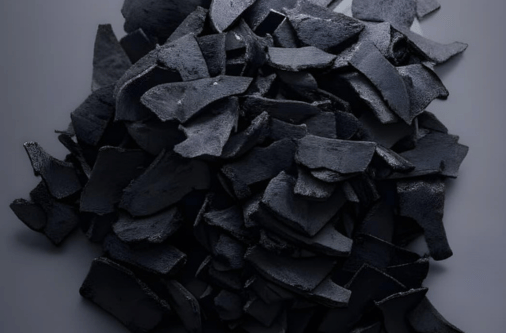
What Is Coconut Shell? Coconut is one of the most versatile natural resources in the world, and its shell is among the most valuable components used in industrial applications. For decades, coconut shells have played a major role in the production of high-quality charcoal, particularly in Indonesia — one of the largest coconut-producing countries globally. The shell’s unique characteristics make it one of the best raw materials for manufacturing efficient, clean, and sustainable charcoal.
As a trusted Indonesian supplier, Perkasa Putra Sejahtera specializes in exporting Premium Grade Coconut Shell Charcoal with low ash and high fixed carbon, supported by complete international documentation and global logistics under FOB, CNF, and CIF terms. This article explores what coconut shell is, why its characteristics make it ideal for charcoal production, and why industries worldwide depend on Indonesian coconut shell charcoal.
1. What Is Coconut Shell?
A coconut shell is the hard, woody layer found between the coconut husk and the inner fruit. It is a strong, dense, and durable biomass material formed naturally as the coconut matures. Coconut shells are considered agricultural by-products — meaning they are renewable, abundant, and environmentally friendly.
Composition of Coconut Shell
Coconut shells contain:
-
Lignin (high percentage)
-
Cellulose
-
Volatile matter
-
Carbon-rich organic material
These components contribute to their hardness, density, and suitability for carbonization. Because of these natural properties, coconut shells produce superior charcoal compared to wood or other agricultural waste materials.
2. Characteristics That Make Coconut Shell Ideal for Charcoal
The reason coconut shell is considered one of the best raw materials for charcoal production is due to its physical and chemical characteristics. When carbonized properly, it produces high-quality charcoal with specific advantages required by global industries.
a. High Density and Hardness
Coconut shells are naturally dense and extremely hard. This allows them to undergo carbonization without breaking down into powder, resulting in strong, durable charcoal pieces with higher fixed carbon content.
b. Low Moisture Content
Compared to other biomass sources, coconut shells generally contain lower moisture. This characteristic helps the carbonization process achieve a higher carbon yield.
c. High Fixed Carbon Potential
The dense structure of coconut shells creates charcoal with high fixed carbon levels — one of the key performance indicators for industrial charcoal.
d. Low Ash Content
Coconut shells produce charcoal with very low ash residue, making it more efficient and cleaner for industries requiring consistent burning and minimal waste.
e. Sustainability
As a by-product of coconut agriculture, the shells are widely available and renewable. Using them as a charcoal raw material supports waste reduction and eco-friendly manufacturing.
3. Why Indonesia Produces the Best Coconut Shell for Charcoal
Indonesia’s tropical climate and vast coconut-growing regions make it one of the world’s top sources of high-quality coconut shells. Year-round production ensures a stable supply of raw material.
Key Advantages of Indonesian Coconut Shells:
-
Hard and mature shells due to favorable soil and climate
-
Consistent shell availability throughout all seasons
-
Large coconut plantations across multiple islands
-
Strong agricultural supply chain
-
High natural density and carbon yield
These factors make Indonesia a preferred global supplier of coconut shell charcoal, with companies like Perkasa Putra Sejahtera playing a major role in the export market.
4. How Coconut Shell Is Converted Into Charcoal
The transformation of coconut shells into charcoal requires a controlled carbonization process. Perkasa Putra Sejahtera ensures strict quality control from raw material selection to the final charcoal product.
Production Steps:
a. Shell Collection and Sorting
Only clean, mature coconut shells are selected. No wood or external contamination is allowed.
b. Drying
Shells are dried to reduce moisture, improving the carbonization efficiency.
c. Carbonization
Shells are heated in a low-oxygen environment, converting organic material into high-carbon charcoal.
d. Cooling
Charcoal is cooled naturally to avoid self-heating during storage.
e. Screening and Sizing
Charcoal is processed into specific granule sizes such as:
-
0–3 mm
-
3–6 mm
-
6–12 mm
(Custom sizing available)
f. Quality Inspection
Each batch is examined for:
-
Fixed carbon
-
Ash content
-
Moisture
-
Purity
g. Packaging and Documentation
Products are packed securely for export and accompanied by:
-
Laboratory of Analysis
-
MSDS
-
Self Heating Test – UN Classification
-
Certificate of Origin
-
Commercial Documents
This ensures smooth import processing and compliance with global regulations.
5. Industrial Uses of Coconut Shell Charcoal
Coconut shell charcoal has become an essential resource for multiple industries because of its high carbon structure and low impurities.
Primary Global Applications:
a. Activated Carbon Manufacturing
Coconut shell charcoal is the preferred raw material for producing activated carbon due to its superior microstructure.
b. Metallurgical Processes
Industries use it as a high-carbon additive for metal processing and alloy production.
c. Industrial Heating and Biomass Fuel
Its strong calorific value makes it a clean and efficient heating material.
d. Filtration and Purification
Used in water treatment, air purification, and gas filtration through activated carbon processing.
e. Chemical Processing
Charcoal is used as a carbon source in many chemical reactions and manufacturing stages.
6. Why International Buyers Choose Perkasa Putra Sejahtera
Perkasa Putra Sejahtera is recognized globally for its professionalism, product quality, and export reliability.
Why global clients trust the company:
✔ Premium-Grade Quality
Low ash, high fixed carbon, and clean granule material.
✔ Full Export Documentation
Laboratory of Analysis, MSDS, Self Heating Test – UN Classification, Certificate of Origin, and Commercial Documents.
✔ Flexible Shipping Terms
FOB, CNF, and CIF for customers worldwide.
✔ Clear and Responsive Communication
Email: export@perkasaputrasejahtera.com
WhatsApp: +62 813-3322-8453 / +62 822-2525-0082
✔ Strategic Location
Based in Sidoarjo, East Java — close to major export ports.
✔ Consistent Supply Chain
Reliable raw material sources ensure long-term availability for global buyers.
7. Contact Perkasa Putra Sejahtera
For international procurement of premium-grade coconut shell charcoal:
🌐 Website: https://www.perkasaputrasejahtera.com/
📧 Email: export@perkasaputrasejahtera.com
📞 Phone / WhatsApp: +62 813-3322-8453 / +62 822-2525-0082
📍 Office: Alegro Office Sawotratap, Kabupaten Sidoarjo, Jawa Timur, Indonesia
